
8 Things to Know About Living in Charlotte
Pros and Cons of Living in Charlotte, NC
Planning Your Move to Charlotte Starts Here
Charlotte occupies a unique place among fast-growing U.S. cities: As the largest city in the state and the second-largest banking center in the US, it’s a major business hub while still offering a relaxed Southern pace of life.
The “Queen City,” named after Queen Charlotte, wife of George III of England, is located halfway between the Blue Ridge Mountains and the Carolina coast. But its enviable location isn’t the only reason Charlotte attracts an average of 157 new residents daily. This guide covers 8 things you should know before moving to Charlotte, from the pros and cons and cost of living to the climate, job market, and best neighborhoods.
8 Things to Know About Living in Charlotte
Charlotte has a few quirks that surprise newcomers. Ironically, downtown is called Uptown because the area’s main streets, Trade and Tryon, sit at a higher elevation than the surrounding area. The city also still embraces its Revolutionary War-era nickname, the “Hornet’s Nest,” and locals take their pimento cheese seriously. In fact, Charlotte and the surrounding region are often referred to as the unofficial “Pimento Cheese Capital of the World.”
Those local traditions are part of Charlotte’s charm, but they’re only one small part of what it’s like to live here. If you’re considering living in Charlotte, here are some of the most important things to know before making the move.
1. Charlotte Offers Significantly More Value than Many Major Cities
Charlotte’s cost of living is one reason the city continues to attract new residents. Despite recent increases, the city remains very affordable. Newcomers moving from cities such as Miami and Chicago will notice a 15% decrease in the cost of living compared to what they were used to.
According to RentCafe’s cost-of-living calculator, if you’re moving to Charlotte from another big city, the odds are your dollar will go further here. A person earning $100,000 in New York City would only need to earn about $56,700 to maintain a similar standard of living in Charlotte. Realistically, though, to live comfortably in Charlotte, you’ll need to earn roughly $100,000.
2. Charlotte Enjoys Four Distinct and Pleasant Seasons
A major perk of living in Charlotte is experiencing all four seasons without the harsh, intense winters common in the Northeast and Midwest. Yes, summers are hot and humid, but spring and fall make up for it with comfortable temperatures and colorful scenery. Winters are generally mild, and though occasional snow and ice storms do occur, you won’t find piles of snow here.
3. Charlotte Home Values Remain Strong Despite Slower Growth
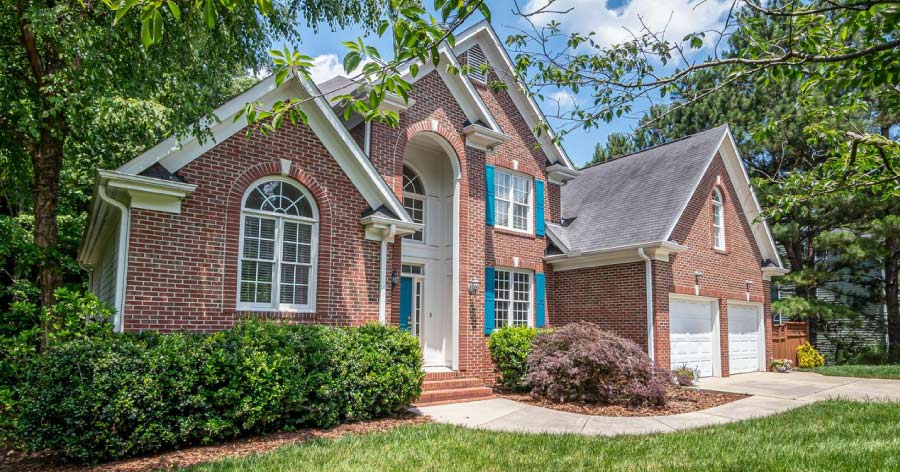
The average home value in Charlotte is about $400,000, down 1.2% from a year ago. That’s good news for anyone moving to Charlotte, especially from higher-priced markets in the Northeast and on the West Coast.
Renters have lots of options, too. The average rent for a one-bedroom apartment is about $1,480 per month, and a two-bedroom is roughly $1,785. In many neighborhoods, that budget will get you a modern apartment with amenities, though prices are higher in popular areas like South End and Uptown.
And for those wondering about the future, experts expect the Charlotte housing market to remain relatively steady in 2026, pointing to more balanced growth.
4. Charlotte Continues to Attract Major Employers, Some Driven by the Banking Industry
The Charlotte job market is one of the city’s biggest draws, and major employers in finance continue to drive the economy here. Other sectors, including healthcare, technology, manufacturing, energy, education, and professional services, continue to expand as the region grows. In 2025, the Charlotte metro area added nearly 38,000 jobs and posted a 2.7% growth rate, ranking it second among major U.S. cities for total job growth.
In addition to its expanding job market, Charlotte’s unemployment rate of 3.6% is lower than the national average (4.3%). For people moving to Charlotte, these factors translate into a steady stream of career opportunities.
5. Charlotte Public Schools Serve a Large and Growing Population
Families looking for solid schools will find lots of educational options within the Charlotte Public School system. Charlotte-Mecklenburg Schools is one of the largest public school districts in the Southeast, serving more than 140,000 students across the region. The district offers magnet programs, language immersion opportunities, and several highly rated elementary, middle, and high schools.
In the private sector, there are excellent institutions such as Charlotte Latin School and Providence Day School. Higher education is also well represented, with the University of North Carolina at Charlotte serving as a talent pipeline for the region’s growing economy.
6. Charlotte Offers a Neighborhood for Nearly Every Lifestyle
Charlotte comprises a variety of neighborhoods, each with its own unique character. When it comes to the best places to live in Charlotte, some neighborhoods feel distinctly urban, while others offer an artsy or historic atmosphere. Check out our guide to the best neighborhoods in Charlotte to find the right spot for you. We’ll start you off with three popular areas to consider.
Best Neighborhood for Families: Ballantyne East
Ready to settle down but not ready to leave the energy of the city behind? Ballantyne East may be a great fit for your family. This upscale community offers top-rated schools, beautiful parks, and many convenient shopping, dining, and entertainment options.
Best Neighborhood for Singles and Young Professionals: Uptown

If you’re looking for a walkable neighborhood where you can catch a game or meet up with friends for drinks without getting in the car, consider Uptown. Charlotte’s lively city center blends history and culture with modern amenities, including a diverse culinary scene with some of the best restaurants in Charlotte. It’s the best place to live in Charlotte if you want a truly urban lifestyle.
Best Neighborhood for Retirees: Lake Park
Lake Park moves at a different pace than other parts of the city, and that’s part of the appeal (especially for retirees). The established neighborhood is community-oriented and has plenty of green space. Sidewalks connect homes to the village center, which is anchored by a charming clock tower, giving it a hometown feel.
7. Charlotte Offers Plenty to Do Year-Round
Many of the best things to do in Charlotte revolve around the city’s mix of major league sports, outdoor recreation, food, and cultural attractions. Here are some of our top picks.
- Visit the NASCAR Hall of Fame.
- Explore the U.S. National Whitewater Center.
- Catch a Panthers or Charlotte FC game at Bank of America Stadium.
- Spend an afternoon with the family at Discovery Place Science.
- Walk, shop, and dine in South End.
- Visit the Mint Museum to see a wide variety of artwork.
- Stroll through Freedom Park, one of Charlotte’s most popular green spaces.
- Explore local breweries throughout NoDa and South End.
- Enjoy a date night in Uptown or at one of the city’s many rooftop restaurants.
For even more ideas, check out our guide to the Best Things to Do in Charlotte.
8. Weekend Getaways Are Easy from Charlotte
One advantage of living in Charlotte is its location. The Blue Ridge Mountains, Asheville, and Lake Norman are all within easy driving distance, while Myrtle Beach and the Carolina coast are popular weekend destinations. Residents enjoy hiking, skiing, boating, and beach trips without traveling far from home.
Pros and Cons of Living in Charlotte, NC
Charlotte has a lot to offer, but it also has a few drawbacks. Before making the move, consider both what residents love about living here and a few common frustrations.
Pros of Living in Charlotte

- Relatively affordable cost of living compared to many major East Coast cities
- Strong job market led by finance, healthcare, and technology
- Four distinct seasons with generally mild winters
- Plenty of parks, trails, lakes, and outdoor recreation opportunities
- Easy access to destinations such as Asheville, Lake Norman, and Myrtle Beach
- Major sports teams, museums, breweries, and entertainment venues
Cons of Living in Charlotte
- Increasing traffic congestion as the city grows
- Hot, humid, and sticky summers
- Severe thunderstorms and occasional tropical weather
- Limited public transportation options compared to other larger cities
- Competitive housing market in some popular neighborhoods
Is Charlotte a Good Place to Live?
Despite a few downsides, Charlotte is often considered a good place to live, evidenced by the record number of new residents moving to the area in recent years. It’s an affordable city with a robust job market and a mostly temperate climate. If you don’t mind hot, humid summers, the many other benefits of living in Charlotte might make it the right fit for you.
Tips for Moving to Charlotte
As you prepare for your move to Charlotte, take note of a few local considerations to make the transition go more smoothly.
Plan for Storage
Lots of newcomers moving from larger homes in the Midwest and Northeast end up settling in townhomes, apartments, or condos closer to Uptown. These smaller accommodations may not offer enough storage space for bikes, golf clubs, and other equipment needed to make the most of Charlotte’s year-round outdoor lifestyle. Renting a local storage unit is a great way to make up for the lost space.
Expect Seasonal Humidity and Ice
Most winters are fairly uneventful, but ice storms can occur, causing slick roads and school closures. Summer brings different challenges: heat, high humidity, and thunderstorms that roll through with little warning. You’ll want to plan for weather considerations that might affect your move.
Test Your Commute Before You Commit
Charlotte looks manageable on a map, but commuters along I-77 know that rush hour is no joke. Before choosing a neighborhood, try the drive during the times you’ll actually be commuting. Traffic on a Sunday afternoon is very different from Tuesday morning.
Read the Fine Print in HOA Documents Before Moving Day
Many apartments and communities have rules about moving trucks, parking, elevators, and move-in schedules. You’ll want to know about and plan for any restrictions well ahead of time.
Book Early During Peak Moving Season
New residents continue to flock to Charlotte each year, and moving companies stay busy as a result. Due to higher demand, moving options dwindle the closer it gets to summer. If you’re moving between May and August, be sure to reserve moving services early.
Planning Your Move to Charlotte Starts Here

Attractive career opportunities, affordability, and easy access to the mountains and coast continue to draw new residents to Charlotte. Understanding the nuances of life in the Queen City will make settling in all the more easy.
CubeSmart offers Charlotte self-storage solutions for every stage of the moving process, with options for everything from vehicles to things that need climate-controlled storage.* Find a CubeSmart storage facility near you.
*Storage unit sizes are approximate and subject to availability. Temperature and humidity levels within any storage space, including climate-controlled spaces, may vary.