- What Is a Storage Locker?
- How Big Is a Storage Locker?
- Benefits of Storage Lockers
- When to Use a Storage Locker Instead of a Unit
- What Is a Storage Unit?
- How Big Is a Storage Unit?
- Storage Units vs. Storage Lockers
- When to Use a Storage Unit Instead of a Locker
- Storage Locker vs. Storage Unit: Which Is Better?
Storage needs can vary widely depending on what you’re storing and whether you’re looking for a place to store a few boxes of seasonal items or a whole home’s worth of stuff. Fortunately, there are plenty of size options available.
In this article, we’ll explain what a storage locker is, how it compares to a traditional storage unit, and the sizes and features you can expect from each.
Storage Locker vs. Unit: What’s the Difference?
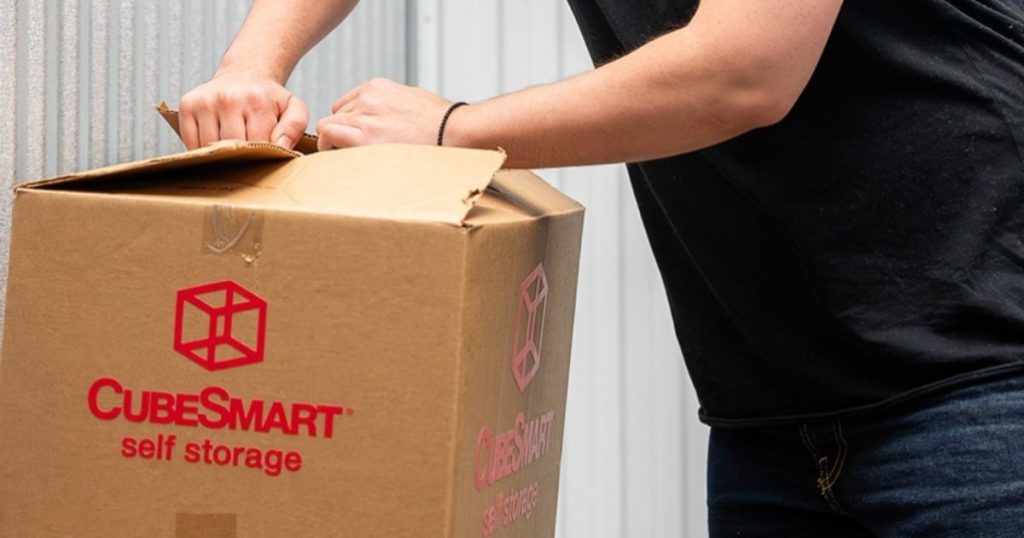
Storage lockers and storage units both offer additional room when you don’t have storage space in your own home, or when you’re in transition due to a move or remodeling. The main difference between the two is size: lockers are compact, while units offer more space for larger belongings.
What Is a Storage Locker?
A storage locker is a small space designed for belongings that don’t need the height or square footage of a full storage unit. It’s most often used for compact items, such as seasonal decor, luggage, small boxes, or personal items.
Key features include:
- Enclosed individual space
- A smaller footprint with lower ceilings
- Located often on upper floors or mezzanine levels
- Less likely to be climate-controlled compared to a traditional storage unit
- Usually less pricey than a storage unit
Storage lockers offer the convenience of additional storage space without renting a larger, more costly storage unit.
How do storage lockers work? After completing a rental agreement, you’ll be given access to the space to place your items during standard operating hours. Most storage facilities have recommendations as to whether you should bring your own lock or purchase a specific kind. Popular options include disc locks, padlocks, and cylinder locks. Check with your storage facility to ensure you’re using the correct lock.
How Big Is a Storage Locker?
A typical locker measures about 4 feet wide, 5 feet deep, and 4 feet tall, making it around 80 cubic feet. It’s similar to a compact closet or cabinet.
Common items that fit in storage lockers include:
- 5–8 medium boxes
- Seasonal decor or gear
- Luggage or backpacks
- Small household furniture and appliances
- Business or hobby supplies
- Musical instruments
Benefits of Storage Lockers
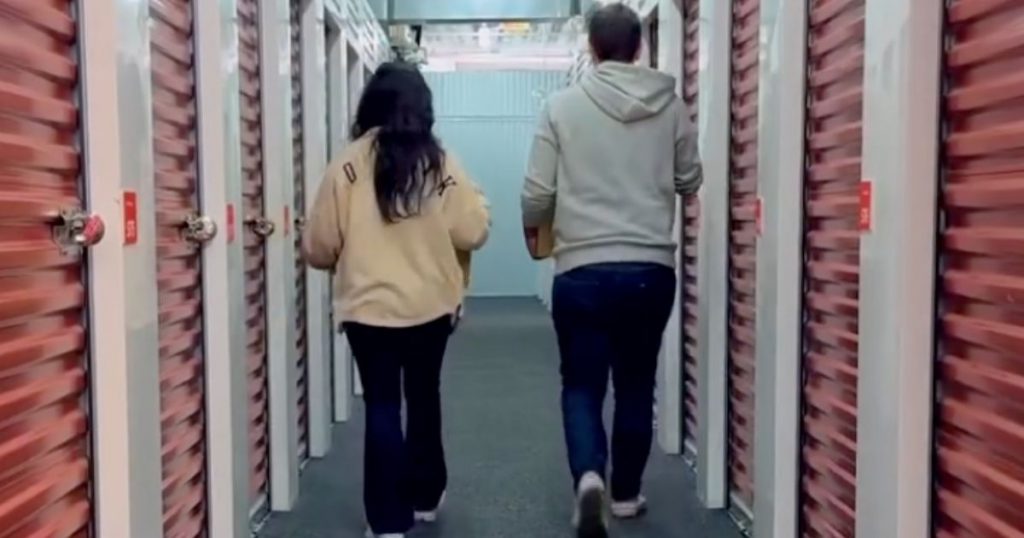
Storage lockers come in handy in many different situations. They’re great for items you only use occasionally or for short-term needs. You might use them to store personal items if you’ve put your house on the market to move and need to stage it for showings, or you might be looking for a place to keep seasonal decor.
Some of the many benefits include:
- A small storage option when you only need limited space
- More budget-friendly than a storage unit
- Convenient indoor storage
When to Use a Storage Locker Instead of a Unit
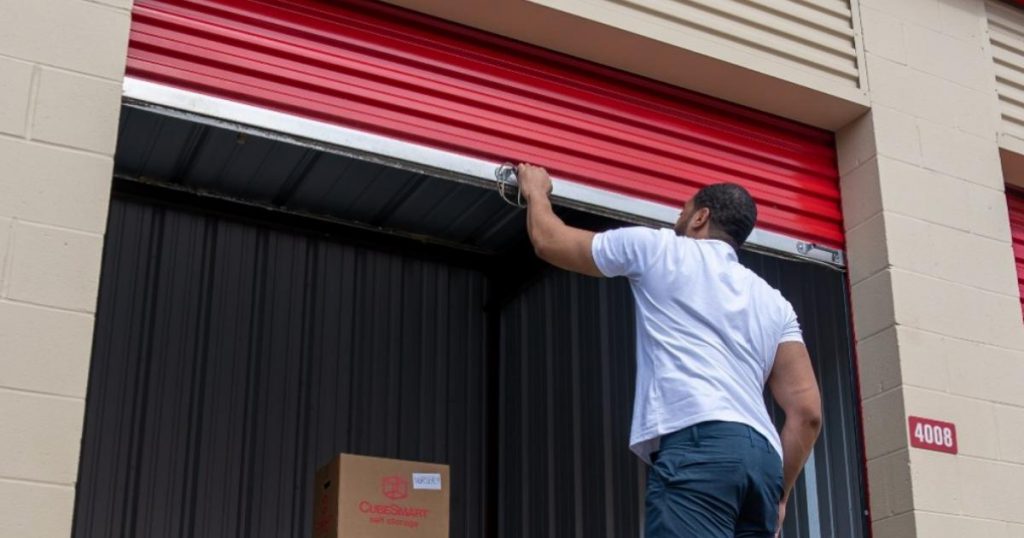
A storage locker can be the right choice when you only need a small amount of space and want something simple. They can be a convenient way to reduce clutter and stay better organized at home.
Seasonal Items and Holiday Decor
A storage locker offers enough room for bins of seasonal decorations, winter coats, sports gear, and other belongings you only need to use at certain times of the year.
Travel Gear and Luggage
Suitcases, duffel bags, and backpacks can take up a surprising amount of room. A locker provides an easy place to store them between trips.
Small Household Items
If you’re decluttering, staging a house for sale, or remodeling a room, a locker can hold smaller furniture and appliances such as end tables, lamps, microwaves, or a few boxes of household items.
Business or Hobby Supplies
Crafters, small business owners, and hobbyists often make use of storage lockers. They provide space for tools, supplies, samples, or inventory.
What Is a Storage Unit?
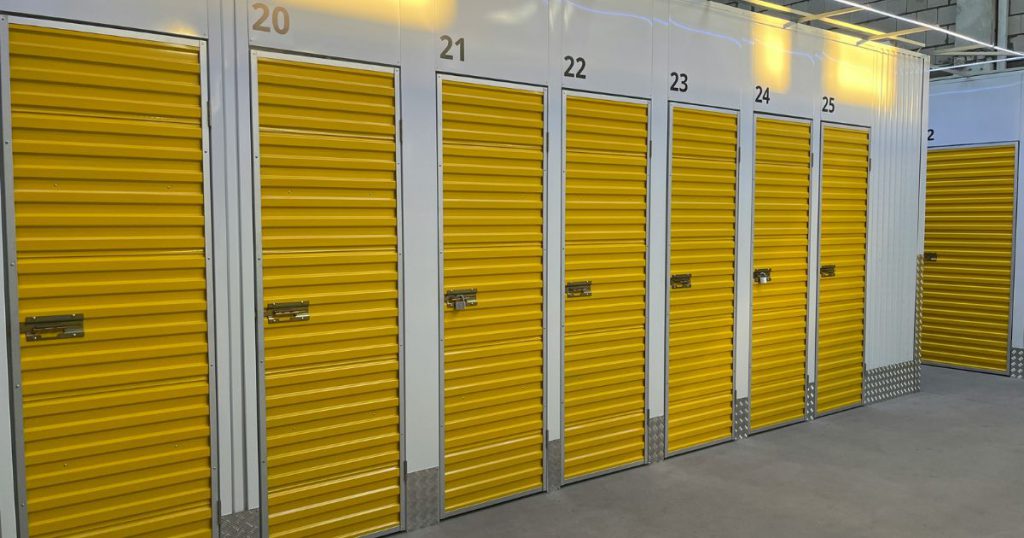
A storage unit is a larger, enclosed room with full-height ceilings and enough space to fit larger items, such as furniture and appliances, for multi-room storage. Storage units are useful during a move if you need a place to store furniture while looking for a new home or during renovations. They are also a common solution for storing larger items like recreational equipment long-term.
Key features of storage units include:
- More space for stacking boxes or storing furniture
- Multiple size options
- Options for drive-up or indoor access
- Locations throughout the storage building
How Big Is a Storage Unit?
Storage unit sizes range widely by facility. Below are common options, along with typical dimensions, cubic footage, and examples of what the storage unit can hold.
5 × 5 Storage Unit
A 5 × 5 unit measures 5 feet wide by 5 feet deep with an 8-foot ceiling, for roughly 200 cubic feet of space. This size is good for:
- Several boxes
- Small furniture such as end tables or lamps
- Seasonal decor or luggage
5 × 10 Storage Unit
Measuring 5 feet wide by 10 feet deep with an 8-foot ceiling, this size gives you around 400 cubic feet of room. This option can contain:
- The contents of a small room
- A mattress set, shelves, or a small sofa
- Stacked boxes and household items
10 × 10 Storage Unit
Measuring 10 feet wide by 10 feet deep with an 8-foot ceiling, this provides about 800 cubic feet of space. With this option, you can store:
- Furnishings from a one-bedroom apartment
- A couch, a mattress set, a dining table, and appliances
- Multiple boxes or bins
10 × 15 Storage Unit
Measuring 10 feet wide by 15 feet deep with an 8-foot ceiling, this is roughly 1,200 cubic feet. This size is good for:
- The contents of a two-bedroom space
- Several large furniture pieces
- Bulky appliances or workout equipment
10 × 20 Storage Unit
Measuring 10 feet wide by 20 feet deep with an 8-foot ceiling, this unit provides around 1,600 cubic feet of space. This larger size option can be used to store:
- The belongings from a multi-room home
- Larger appliances and oversized furniture
- A small vehicle, depending on the facility* (a disclaimer might be needed)
10 × 30 Storage Unit
Measuring 10 feet wide by 30 feet deep with an 8-foot ceiling, this provides 2,400 cubic feet of storage. This size option is usually adequate for:
- Belongings from a four- to five-bedroom home
- Multiple large furniture sets
- Large items or equipment that need substantial floor space
Storage Units vs. Storage Lockers
Both storage units and storage lockers offer additional space during a move, remodel, or other life transition. They are also a solution for long-term storage. How do you decide if you need a storage unit or a storage locker? This chart can help compare the two.
| Feature | Storage Unit | Storage Locker |
| Size | Larger spaces (5×5 to 10×30+) | Smaller spaces (typically 3×3 to 5×5) |
| Best For | Furniture, appliances, large boxes, whole-home storage | Seasonal items, luggage, small boxes, documents |
| Access | Drive-up or indoor access; usually more convenient | Usually located inside a building on upper floors or mezzanines |
| Climate Control Options | Commonly available | Often available, but varies by facility |
| Price | Higher monthly cost due to size | More budget-friendly |
| Ideal User | People who are in transition or who have long-term storage needs | Students, travelers, people with small-item storage needs |
When to Use a Storage Unit Instead of a Locker
A storage unit makes sense when you’re working with larger belongings, multiple rooms’ worth of items, or anything that needs full-height space.
Storage units offer the extra room and flexibility needed for moves, home projects, businesses, or long-term storage.
You might consider a storage unit in the following situations. Check out our guide on how to rent a storage unit to learn more.
Furniture and Larger Household Items
If you’re storing beds, dressers, couches, dining tables, or appliances, a full-size unit provides the floor space and height needed to keep everything organized.
Multiple Boxes or Room Contents
When you’re packing up a bedroom, office, or entire apartment, a standard storage unit offers enough room to stack boxes and bins, store totes, and keep belongings sorted during transitions. Make sure you can easily access your belongings with these helpful tips on how to organize a storage unit.
Home Renovations and Remodeling
A storage unit is a good option for temporarily storing furnishings, materials, or decor during remodeling projects.
Moving or Downsizing
If you’re between homes or adjusting to a smaller space, a storage unit offers the flexibility to store belongings until you’re ready to move them, give them away, or sell them. It can also serve as a place to store items while staging a home to sell.
Business Storage Needs
Small businesses and contractors often rent storage units for inventory, equipment, sample stock, or supplies.
Storage Locker vs. Storage Unit: Which Is Better?
Choosing between a storage locker and a storage unit comes down to what you need to store and how much space those items require.
Storage lockers work well for compact belongings or seasonal items, and they tend to run cheaper. Storage units offer the added space and full-height clearance needed for furniture, appliances, and larger collections of boxes.
Consider the size of your items, how often you’ll need to access them, and how long you plan to store them to choose which size is right for you.
Find the Right Storage Option for Your Needs
Whether you need a small space for a few seasonal items or a climate-controlled storage* unit for larger belongings, understanding the differences between storage lockers and storage units can help you choose the best option for your situation.
CubeSmart offers a variety of storage solutions designed to support life’s many transitions, from moving to organizing and freeing up space at home. Ready to explore your storage options? Find a CubeSmart storage facility near you.*
Storage unit sizes are approximate and subject to availability. Temperature and humidity levels within any storage space, including climate-controlled spaces, may vary.