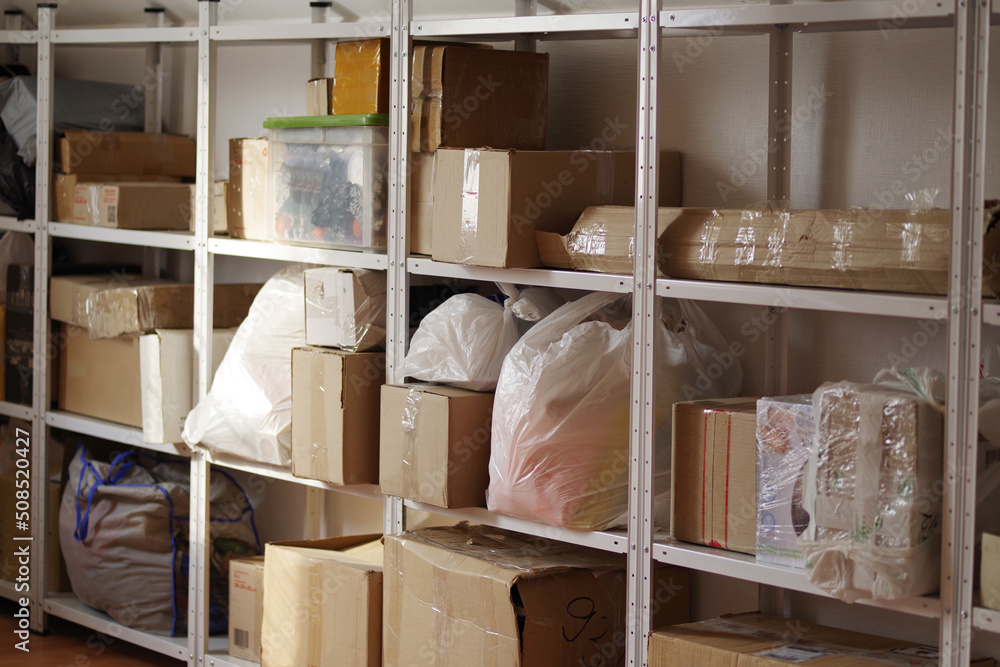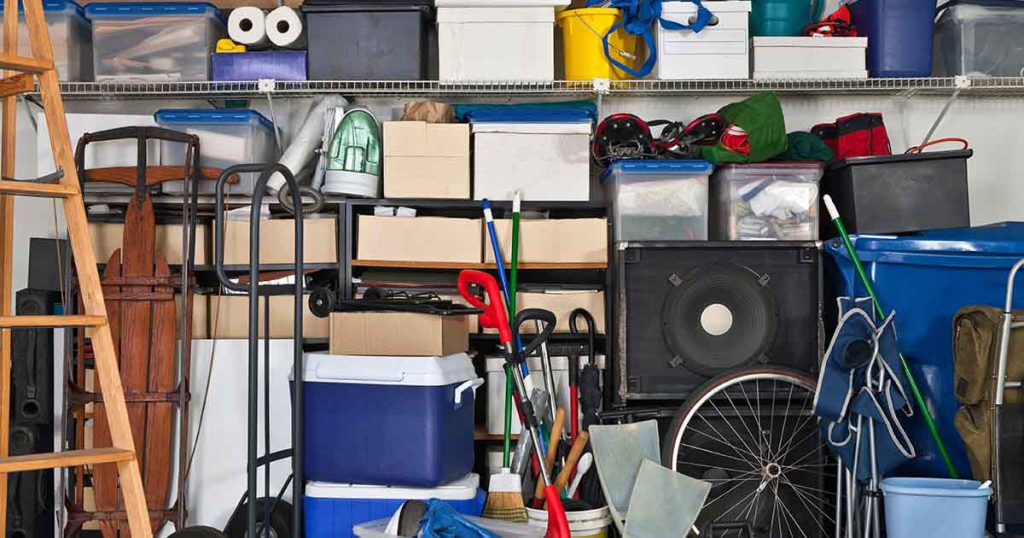
Investing in a storage unit can be a fantastic way to declutter, get organized, and free up some mental space at home or at work. But if you’re not intentional about your storage unit organization, it’s easy for your storage unit to become just as cluttered and difficult to navigate as the space you were trying to simplify in the first place.
To help, we’re covering recommendations from CubeSmart team members who see firsthand what works inside storage units every day. We’ll also provide tips on choosing the right unit size and avoiding common storage mistakes.
Quick Answer: What’s the Best Way to Organize a Storage Unit?
- Plan your storage unit layout before moving anything in.
- Use sturdy boxes or clear, stackable plastic bins.
- Label every box on multiple sides.
- Place large, heavy items toward the back first.
- Keep items you want to access often near the front.
- Add free-standing shelving.
- Leave a walkway.
- Create a simple inventory list or map of your unit.
Before You Start: Plan Your Storage Unit Layout
Planning your storage unit layout ahead of time might feel excessive, but it’s one of the best ways to maximize your storage unit space from the start.
Before loading anything into your unit:
- Determine which items you’ll need access to more regularly.
- Group boxes within your unit by room, category, or season.
- Measure any large furniture, appliances, or oversized items you plan to store.
- Think through what shelving, furniture, and boxes will realistically fit in your unit, as well as where and how they’ll fit into the space.
- Consider climate-controlled storage for items like clothing or wood furniture.*
Storage Supplies You’ll Need
Storage unit organization is a lot harder to accomplish when you don’t have the right supplies on hand. Here’s what you’ll want to stock up on before you get started.
- Sturdy Boxes: Strong boxes stack better and hold their shape over time.
- Clear Plastic Bins: Clear bins are ideal for seasonal decorations, clothing, and items you’ll use often. You may even be able to repurpose plastic containers you already own.
- Labels or a Label Maker: Clearly labeling every box will make it much easier to find what you need later.
- Markers: You’ll want several markers (including backups) for labeling every box.
- Packing Tape: It’s worth investing in heavy-duty packing tape to reinforce box bottoms and seal lids securely.
- Stretch Wrap: Stretch wrap can hold furniture padding in place, bundle similar items, and prevent loose furniture parts from getting separated.
- Furniture Covers: Covers can reduce the wear of your couches, chairs, and other upholstered furniture while in storage and help reduce the risk of damage during transport.
- Mattress Covers: Mattress covers minimize exposure to dust and help to keep mattresses clean while in storage.
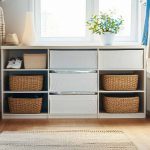
- Shelving: Want to know how to maximize your storage unit space? Add free-standing shelves. It helps you organize boxes, keeps items within reach, and makes the most of every inch of vertical space.
- Pallets: Using pallets to elevate your items can help with air circulation.
Tips for How to Pack Items for Storag

Learning how to pack a storage unit actually starts before you ever get to the facility. Here are our storage unit packing tips.
- Pack Heavy Items in Smaller Boxes: Small boxes filled with items like flatware or tools are way easier to lift than oversized boxes filled with heavy items. If a box isn’t full but is already feeling too heavy, fill the empty space with packing paper instead of adding extra weight.
- Don’t Overpack Boxes: Boxes that bulge or bow are harder to stack and more likely to burst or lose their shape.
- Use Uniform Box Sizes: Matching box sizes are easier to stack and can usually fit more neatly on free-standing shelves.
- Wrap Your Fragile Items Carefully: Wrap any delicate belongings in packing paper, bubble wrap, or blankets before boxing them.
- Keep All Your Hardware Together: Place screws, bolts, cords, and assembly hardware into labeled bags. Tape or stretch wrap each bag directly to its matching furniture piece, so everything stays together in one place.
- Skip Plastic Garbage Bags: Large garbage bags are difficult to stack, hard to label, and can waste valuable storage space. Opt for boxes or bins instead.
- Clean Your Items Before Storing Them: Wipe down the furniture, wash the clothing, and clean the appliances before placing them into storage.
Tips for How to Organize a Storage Unit
Organizing a storage unit well can save you a lot of time and space long-term. Here are a few tips from our CubeSmart teammates who know what actually works inside a loaded storage unit.
Start with Large and Heavy Items
Get the big, heavy stuff out of the way first. If you don’t need easy access to furniture, appliances, or some bulkier boxes, place them toward the back or along the walls, then build the rest of your storage unit layout around them.
Keep Frequently Used Items near the Front
Anything you know you’ll need access to more often should always stay near the front of the unit. Keep those items (think paperwork or sports gear) at the top of your stacks so they’re easy to see and grab whenever you need them.
Use Vertical Space
When floor space runs out, building upward is ultimately the best way to maximize your storage unit space. Free-standing shelving can help keep things stable and organized, and stacking boxes can work well if you avoid wobbly towers. Try also taking advantage of the space underneath tables, desks, or beds.
Leave a Walkway
If your unit size is big enough, carve out a center aisle to keep your space functional. This is important to remember when deciding how to organize a storage unit, since a well-planned walkway means you won’t have to unpack everything just to reach items in the back.
Label Everything Clearly
Take the time to clearly label multiple sides of every single box. That way, you can still find what you need, no matter how those boxes are stacked or stored. If you want to take it a step further, you can also color-code by room or category.
Create an Inventory or Map
Rather than trying to remember where everything is boxed up, create a simple inventory list, snap a few photos after loading everything, or even draw a rough sketch of your storage unit layout. It only takes a few minutes up front, but it can save you a lot of time when you’re trying to find something months later.
Storage Unit Organization Ideas by Item Type
Different items you plan to store will usually require different storage unit organization ideas. Here are a few ways to keep specific items secure and organized.
Furniture

Free image via Pexels
- Disassemble large furniture whenever possible and wrap each piece.
- Use furniture covers on upholstered items and surfaces that could be scratched easily.
- For disassembled items, label your hardware and attach it directly to each piece of furniture.
- Avoid stacking heavy boxes directly on soft furniture like sofas or armchairs.
Clothes
- Use wardrobe boxes, sealed bins, or labeled cardboard boxes.
- Roll your clothes to keep them from creasing while stored. Rolling clothing usually saves space as well.
- Avoid storing clothing in loose bags. Instead, use sturdy containers or neatly packed boxes to help prevent wrinkles and make your items easier to stack and organize.
Mattresses
- Always use a mattress cover.
- Store your mattress sideways, ideally against one wall, to save room.
- Avoid placing any items (especially heavy items) on top of your mattress.
Holiday and Seasonal Items
- Use clear bins to make seasonal decorations easy to locate.
- Label each container by season or holiday.
- If you rotate decorations several times a year, keep these bins near the front of the unit.
Business Inventory
- Use free-standing shelves to organize your inventory.
- Number your boxes and maintain a spreadsheet that matches each number to its contents.
- Keep an updated and detailed inventory list for quick reference.
Common Storage Unit Mistakes to Avoid
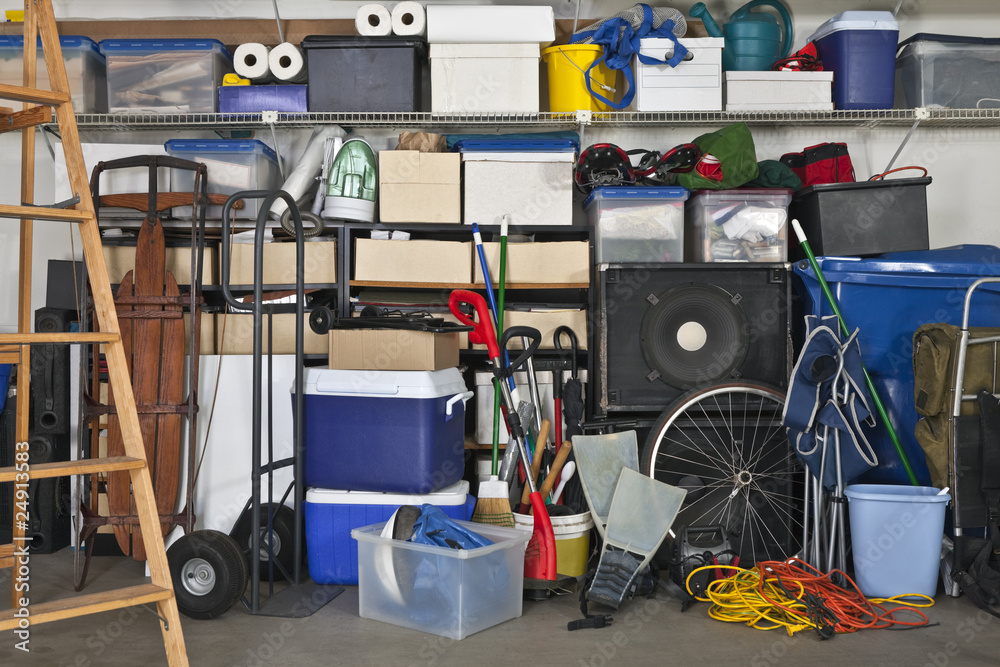
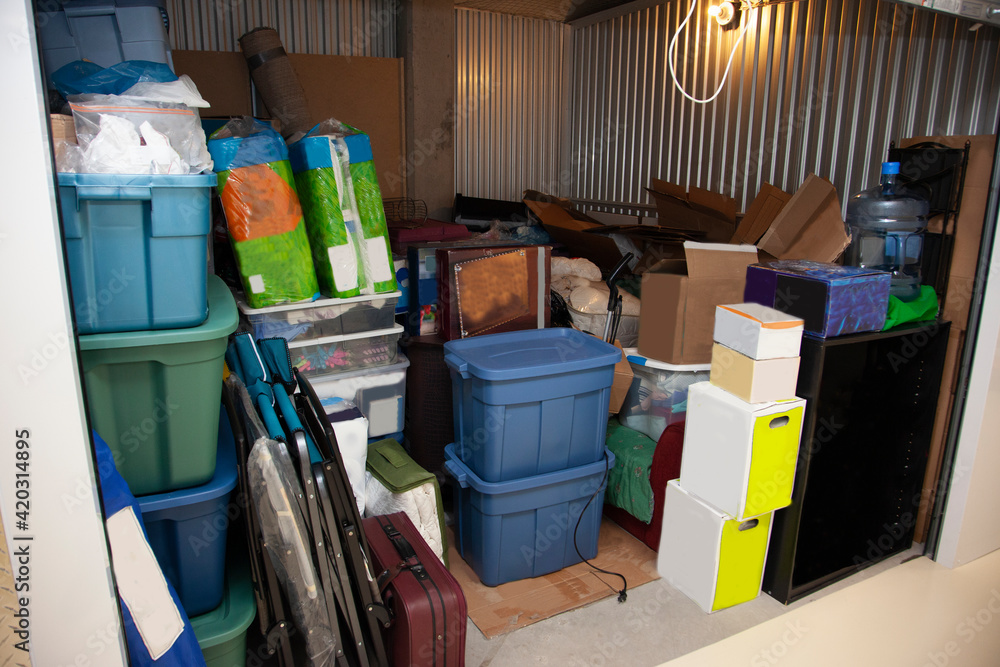
By far the biggest mistake is poor storage unit organization from the start. If you’re randomly placing things into your storage unit without a plan, you’re going to regret it later.
Some of the most common storage organization mistakes include:
- Not labeling boxes
- Using flimsy or damaged boxes
- Stacking heavy items on lighter ones
- Overfilling the storage unit
- Not using vertical storage
- Blocking access to the back
- Using garbage bags instead of boxes
- Forgetting furniture and mattress covers
- Not leaving room for air circulation
- Failing to create an inventory list
What Size Storage Unit Do You Need?
Choosing the right storage unit size for your things will, of course, depend on what you’re storing and how you plan to use the space. For a small number of things, a storage locker may be all you need, while more (or larger) items will likely require a traditional storage unit. Here are a few other things to keep in mind as you decide:
- Choose a little more space if you’re between sizes. A unit that’s too small can fill up quickly and make it difficult to access your things. If you’re on the fence and have a lot to store, sizing up is often worth it.
- Think about how you’ll organize your unit. For instance, if you plan to add free-standing shelving, leave room for a walkway.
- Plan for what’s next. If you expect to add more storage in the coming months, choosing a bit more space now can save you the hassle of moving to a larger unit later.
- Consider the size of your largest items. Furniture, mattresses, and oversized boxes can take up more room than you might expect, so be sure to account for them when choosing a unit.
- Reach out if you need a second opinion. If you’re still not sure which size is right for you, you can always review our storage unit size guide or chat with your local CubeSmart manager.
Storage Unit Organization Checklist

To make the process a little simpler, use this storage unit organization checklist before, during, and after move-in.
Before Move-In
- Consolidate and measure everything you plan on storing to help you choose the right storage unit size.
- Gather boxes, bins, shelving, labels, covers, and any other packing supplies.
- Clean and dry everything that needs to go into the unit.
- Group items by room or category.
- Create a comprehensive inventory list.
When Packing
- Label every box on multiple sides.
- Pack heavier items into smaller boxes.
- Use clear bins for the things you access most often.
- Wrap fragile items carefully.
While Loading
- Photograph or sketch out your completed layout for future reference.
- Load large items into the back of your storage unit first.
- Use free-standing shelving to take advantage of vertical space.
- Keep frequently used items near the front.
- Leave a walkway if you have room.

Storage Unit Organization FAQs
How Do I Organize a Unit So I Can Actually Find Things Later?
Label every box or container clearly, group similar items together, and keep an inventory list of what you’ve stored. It also helps to create a simple map of your unit so you can keep track of where everything is located.
How Long Is Too Long to Keep Things in Storage?
It completely depends on your situation and what you’re storing, but regular check-ins can help you avoid paying to store things you no longer need or use. Every few months, take a moment to review what’s in your unit and ask yourself if you still need each item.
Do I Really Need Climate Control for Six Months?
Items like wooden furniture, electronics, and musical instruments will usually benefit from climate-controlled storage. If you’re concerned about extreme temperatures or humidity in your area, climate control is often a good idea, but ultimately, the decision is up to you.*
What’s the Biggest Mistake People Make with Storage?
Randomly loading a unit without thinking about how to organize or access it later is one of the most common mistakes people make. Taking the time to plan and organize your unit from the start is always worth the effort and will help you make the most of your storage space.
Is It Cheaper to Rent a Bigger Unit or Two Smaller Ones?
It depends on pricing in your area, but renting a single larger storage unit rather than two smaller ones is often the better value, and it’s usually much easier to keep organized. Before deciding, compare both the costs and the convenience of each option.
How Do I Decide What Deserves Storage?
A good rule of thumb is to store the things you know you’ll use again or want to keep but simply don’t have room for right now. If an item has long-term value or you’ll need it in the future, it’s probably worth storing.
Make Your Next Storage Experience Easier with CubeSmart
A little planning can make a big difference. With the right storage unit, a few organization tips, and a smart layout, you’ll save space and make it easier to find what you need. Whether you’re using self-storage for moving, renovating, decluttering, or storing business items, CubeSmart has storage options to fit your needs. Find a CubeSmart storage facility near you.
*Storage unit sizes are approximate and subject to availability. Temperature and humidity levels within any storage space, including climate-controlled spaces, may vary.